


KAMPALA; The Chairperson of the TVET Council, Ms Allen Kagina, has called on technical graduates to place greater emphasis on integrity and personal conduct, saying reputation in the workplace outweighs formal qualifications.
She made the remarks as chief guest at the sixth graduation ceremony of the National Water and Sewerage Corporation (NWSC) held at the Gaba Vocational Skills Development Facility, where she stressed that academic certificates only open doors, but performance and character determine long-term success.
“The most important quality you have is going to be seen in the workplace, when you go to a client’s place,” Ms Kagina said. “Treasure the document, but treasure the skill and the result beyond this document.”
Ms Kagina commended NWSC for its consistent standards of excellence, noting that even during her tenure in public service, she often viewed the utility as a model institution for performance and professionalism.
The ceremony also marked the official unveiling of NWSC’s new Customer Service Charter, which has been approved by the Board. The charter is intended to strengthen service delivery by setting clear standards for responsiveness, accountability, and customer experience.
A total of 259 trainees graduated in the sixth cohort, having completed training in various technical and vocational disciplines aimed at strengthening NWSC’s internal capacity in water and sanitation service delivery.
NWSC Board Chairperson Eng. Dr Badru Kiggundu described the graduation as a shift from preparation to practical contribution.
“Vocational skills development and technical training is the backbone of any thriving economy,” Dr Kiggundu said. “The practical skills you have acquired, whether technical or service-oriented, are the skills that keep modern industries running and communities functioning.”
He encouraged graduates to uphold excellence, integrity, and adaptability in their careers, stressing that the demand for hands-on expertise continues to rise alongside technological change. He further advised them to prioritise ethical conduct over financial gain.
“Be honest, reliable and accountable,” he said. “Don’t put money first in whatever you do; money will come.”
NWSC Managing Director Dr Eng Silver Mugisha underscored the importance of customer-centric service delivery, noting that technical skills must always be matched with responsiveness to public needs. He explained that the newly launched charter formalises service expectations, including defined timelines for addressing leaks and resolving customer complaints.
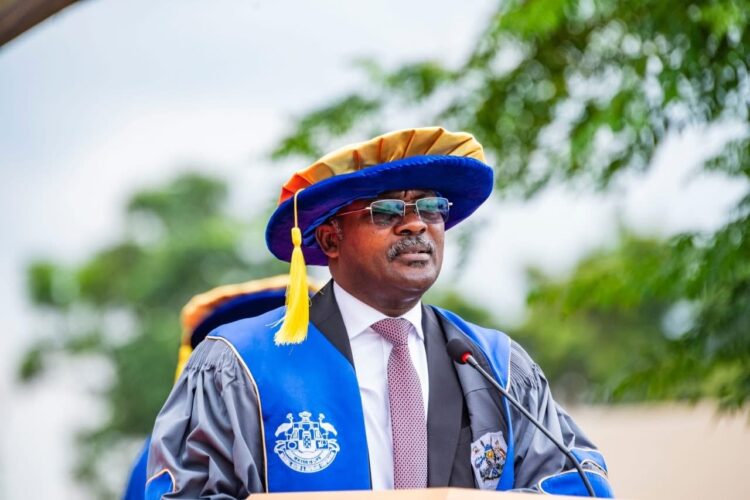
NWSC Managing Director Dr Eng Silver Mugisha
Dr Mugisha also appealed for accreditation of the NWSC training institute by the Uganda Business and Technical Examinations Board, saying it would enhance its capacity to admit more trainees. He further urged a review of assessment fees to allow wider access to training opportunities.
On financial performance, he reported that NWSC had achieved savings of over UGX 17 billion while meeting all its surplus targets, attributing the results to sustained cost-control measures.
The Executive Secretary of UVTAB, Onesmus Oyesigye, praised NWSC’s training model and encouraged both public and private institutions to adopt similar approaches to skills development.
Dr Rose Kaggwa, NWSC Senior Director for Business and Scientific Services, highlighted ongoing environmental initiatives, including plans for an ICT waste bank. The project will allow communities to deposit electronic waste such as old phones and solar panels at designated collection points, which will be weighed and converted into redeemable tokens for essential household items like sugar and salt. The initiative is expected to be implemented in partnership with the Uganda Communications Commission and the National Environment Management Authority.
Executive Secretary of UVTAB, Onesmus Oyesigye
She also noted progress in gender inclusion, revealing that female participation among graduates had risen from 15% in previous intakes to 24% this year.
The graduating class comprised industrial plumbers, water treatment plant technicians, electromechanical technicians, water quality control experts, sewage plant operators, customer service advisors, welding and fabrication technicians, and faecal sludge management operators.
The event underscored NWSC’s continued investment in technical capacity building as part of its broader mandate to improve water and sanitation service delivery across the country.
Related Posts:



Recommended for you





Leave a Reply
Leave a Reply